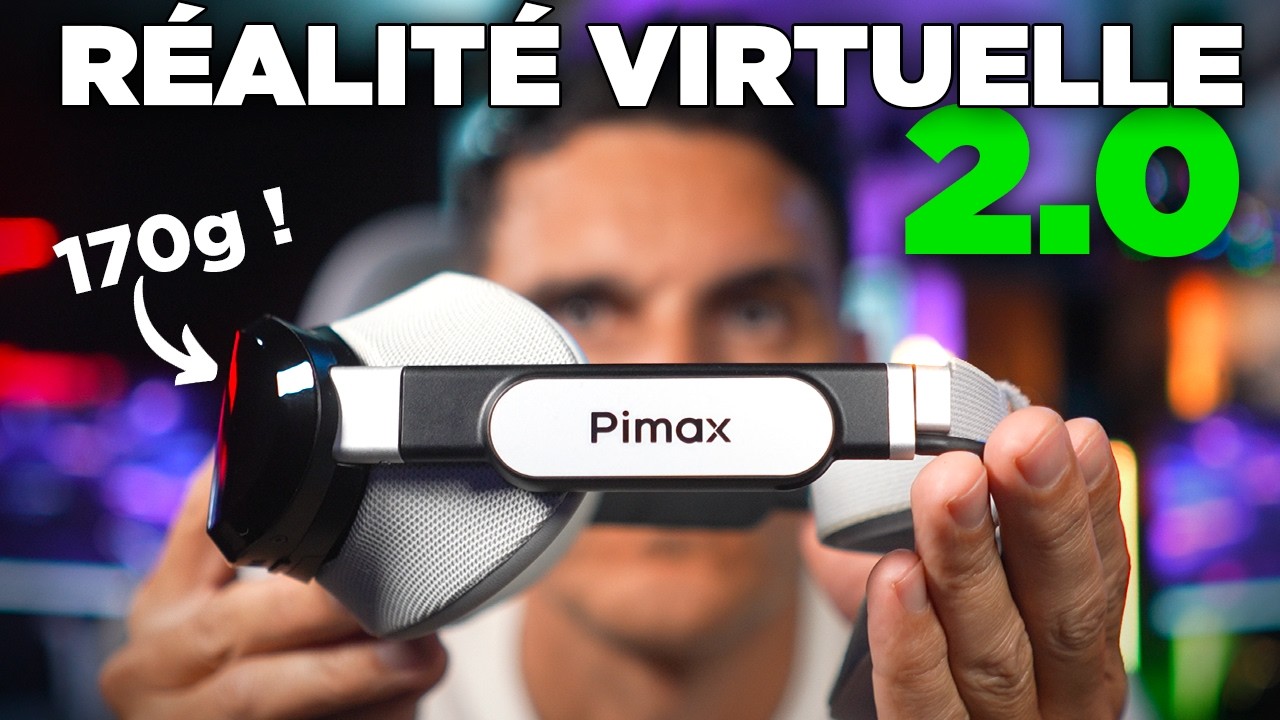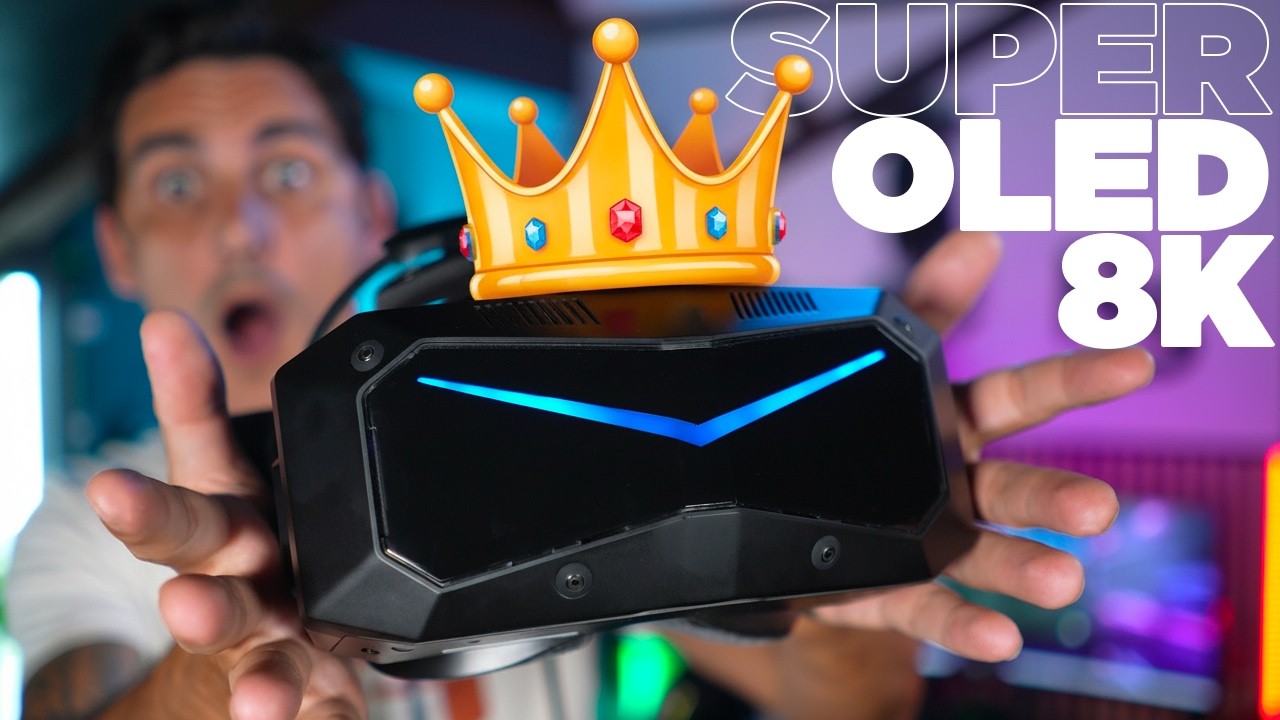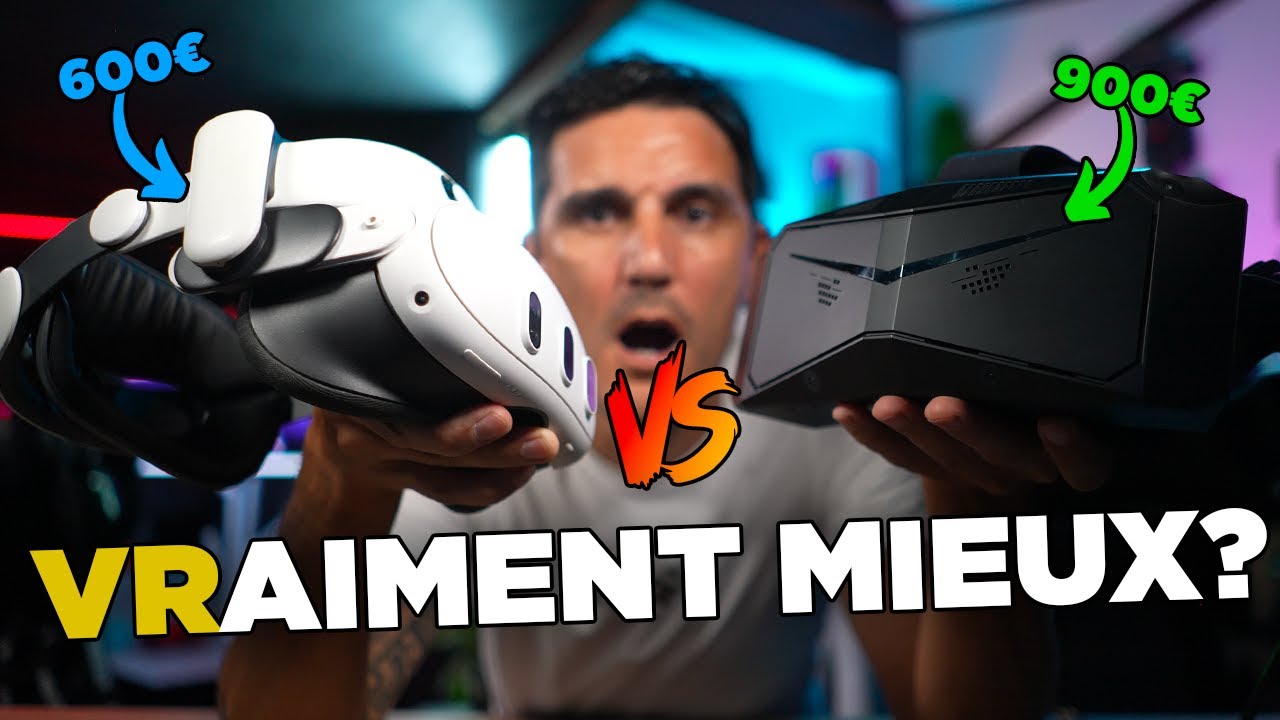
After the excitement of my first impressions, I return to the Crystal Super Micro-OLED with more perspective. I use it for driving and flight simulation, and image quality remains the strongest impression. Pimax supplied the headsets without paying for my opinion or viewing the video beforehand. This assessment also covers comfort, performance and everyday compromises.
Installation and tracking on my setup
Pimax Play installed quickly on my computers. I leave the headset connected, put it on and launch my simulation in VR mode. I have not encountered the startup difficulties I experienced with some older generations.
The software allows adjustment of brightness, resolution and interpupillary distance. Tracking uses the headset’s cameras without external stations. On my seat mover and during the actuator tests mentioned in the video, I did not use motion compensation and noticed no bothersome image drift. That is the result on my installation, rather than a guarantee for every movement range.
Contrast, clarity and optics
The Micro-OLED module shown is rated at 53 pixels per degree. Deep blacks and contrast transform illuminated cockpits and night scenes for me. Returning to a Quest 3, the picture seems greyer; compared with the Crystal Light, I also perceive greater depth and contrast.
The pancake lenses contribute greatly to that impression. I can move my eyes across much of the field without immediately losing clarity. Positioning is more comfortable and the image seems stable, with less shimmering and fewer distant artefacts in my tests. Through-the-lens recordings reproduce this difference imperfectly: they illustrate the discussion without recreating what I see inside the headset.
Performance and resolution compromises
I expected a workload that would be difficult to manage, but performance pleasantly surprised me. I describe sessions around 50–72 frames per second in driving and flight simulations, including DCS and Flight Simulator. This remains experience with my settings rather than a standardised benchmark table.
The video mentions a setup built around an RTX 5070, but does not provide a complete per-game test protocol. I therefore do not turn that experience into a promise of identical frame rates for every PC. Resolution, interpolation and upscaling settings let you find a compromise. Eye tracking can also help concentrate rendering quality on the area being viewed.
Comfort over longer sessions
The Crystal Super remains bulky. Nevertheless, I found the Micro-OLED module lighter than expected and the overall balance satisfactory. Comfort straps and a different facial cushion noticeably improved my setup.
If I had to prioritise one option, it would be the Top Strap for its support. The cable is still present and matters to comfort. I also discuss the Dream Air as a more compact alternative, but had not received it yet: this is therefore not a direct comparison of the two headsets.
Limitations to bear in mind
The quoted price exceeds €2,000, placing this clearly in enthusiast-budget territory. The black-and-white passthrough is very bright and seems of limited use to me beyond a few actions around the cockpit.
Field of view is also narrower than on some other Crystal Super versions. I personally prefer the Micro-OLED compromise. The video also mentions lower maximum brightness than QLED, but I state that I have not perceived a bothersome difference in my use; this is therefore not a weakness measured during the test.
What we liked
- Contrast, black levels and clarity across much of the image.
- The straightforward startup and stable tracking observed on my setup.
- Comfort achieved with suitable support and the top strap.
What we liked less
- The high price, headset bulk and cable.
- Unconvincing black-and-white passthrough.
- The field-of-view compromise against wider variants.