Reviews / 25 November 2025
Pimax Crystal Light or Quest 3: a simulation comparison
I spent several weeks switching between the Pimax Crystal Light and Meta Quest 3 in Flight Simulator, iRacing and Le Mans Ultimate. I wanted to go beyond specifications and understand what each changes once I am sitting in the cockpit. My conclusion is mixed: I would like one headset that combines the Pimax’s image detail with the Quest’s freedom to look around with my eyes.
Comparing the cost of two different uses
The Crystal Light is built for PC use and comes with USB and DisplayPort connections. The Quest 3 works independently, connects to a PC by cable or receives its image wirelessly. That flexibility matters if the headset will also be used for standing games or shared with the family.
For simulation, however, I do not compare only the price of the two boxes. The Quest loaned for this video has a comfort strap that I really liked. A PC cable, optional batteries and a suitable Wi-Fi setup for wireless play also belong in the calculation. Those accessories bring the budgets closer without making the products equivalent.
Detail versus freedom to look around
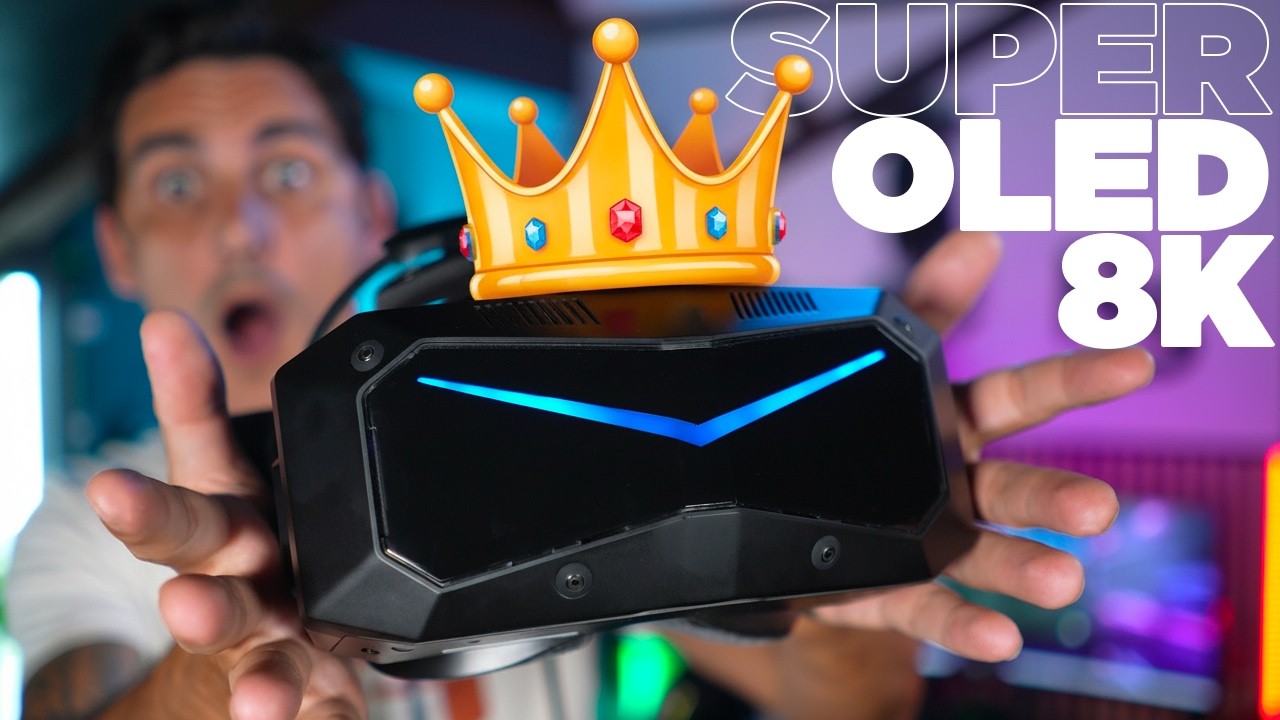
The Crystal Light reveals more detail in small lettering and cockpit objects. I also find its colours and contrast very convincing. The difficulty is finding the exact position on my face that delivers that quality. I regularly feel the need to readjust it to recover the clearest view.
The Quest 3 feels more forgiving straight away. I can move my eyes around the image without following every glance with my head. Small text is less detailed, though, and I notice more visual imperfections, including a slightly hazy appearance at times. A consistently clear viewing area does not necessarily mean a more detailed image.
The dashboard illustrates the compromise best. With the Pimax, I sometimes lower my head to read an instrument below my normal sightline. With the Quest, I can more often just lower my eyes, but the information looks more pixelated. That trade-off prevents me from naming an obvious winner.
Field of view, fit and comfort
I did not experience a decisive field-of-view difference between these headsets. Based on my use, moving from a Quest 3 to a Crystal Light purely to gain a much wider view could be disappointing.
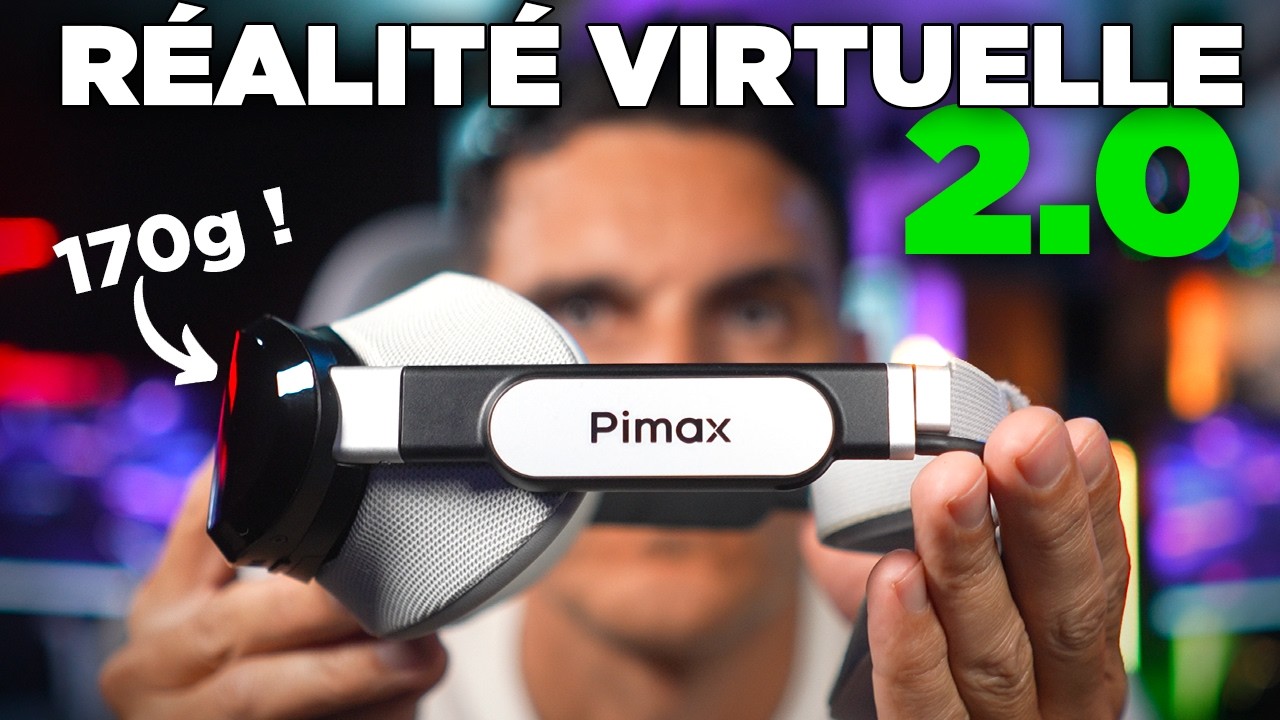
Both let me adjust lens spacing. I set the IPD before assessing the picture, then work on headset position and weight distribution. The Crystal Light is bulkier: its sides can touch my seat’s head restraints when I turn. The Quest feels lighter and makes looking around more natural.
Routing the cable above the cockpit helped reduce its pull. I also tried different facial interfaces on the Pimax before returning to the original foam. Face shape and eyesight make a substantial difference: a position that suits me will not necessarily suit somebody else.
PC connection, tracking and settings
The Crystal Light’s DisplayPort connection provides a direct link to the graphics card. The Quest receives an encoded video image even over USB. I therefore distinguish headset resolution from what the PC renders and from the quality of the transmitted image.
A more powerful graphics card noticeably improved my experience with both. Pimax Play lets me adjust refresh rate, sharpness and rendering for individual games. My preference is to retain a detailed image, sometimes at a less ambitious refresh rate, rather than make several compromises without checking their effects.
In my fairly dark room, Quest tracking was more consistent. The Pimax needed more light and occasionally produced small unwanted movements. The Quest’s colour passthrough and hand controls also make adjustments between sessions easier; the Crystal Light’s passthrough is mainly useful for locating an object quickly.
What changes in racing and flying
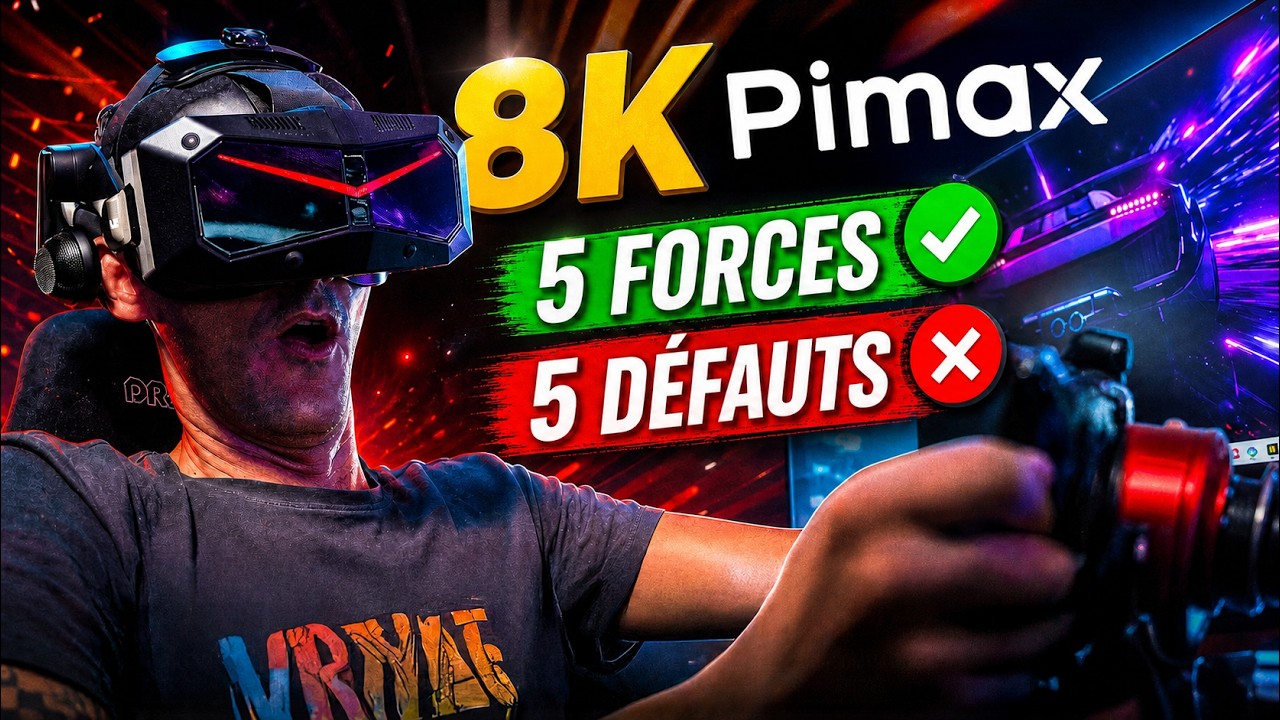
In a car, the Pimax’s clarity strengthens the feeling of being inside the cockpit, but reading the dashboard exposes its more restricted clear area. The Quest makes quick glances easier, with a less detailed display. In flight simulation, I particularly enjoyed the Crystal Light when taking in scenery and flying at night, where its contrast becomes especially useful.
The Quest’s standalone games entertained me without becoming my main use. My choice remains focused on seated simulation. Before replacing a headset, I would try these two different viewing experiences: optical behaviour and personal comfort matter as much as the advertised specifications.
What we liked
- Crystal Light: cockpit detail, colours and contrast.
- Quest 3: a broad clear viewing area, tracking in my room and varied uses.
What we liked less
- Crystal Light: repeated fit adjustments, bulk and small tracking disturbances in low light.
- Quest 3: less detailed small text and the accessories that need to be included in the budget.