I bought the MOZA R3 Xbox bundle to explore this entry point into direct drive and try an Xbox Series X with a wheel for the first time. The package combines a small base, an ESX wheel, pedals and a desk mount. My main aim is to understand who its 3.9 Nm suit and what compromises become apparent in use.
A package designed for a simple start
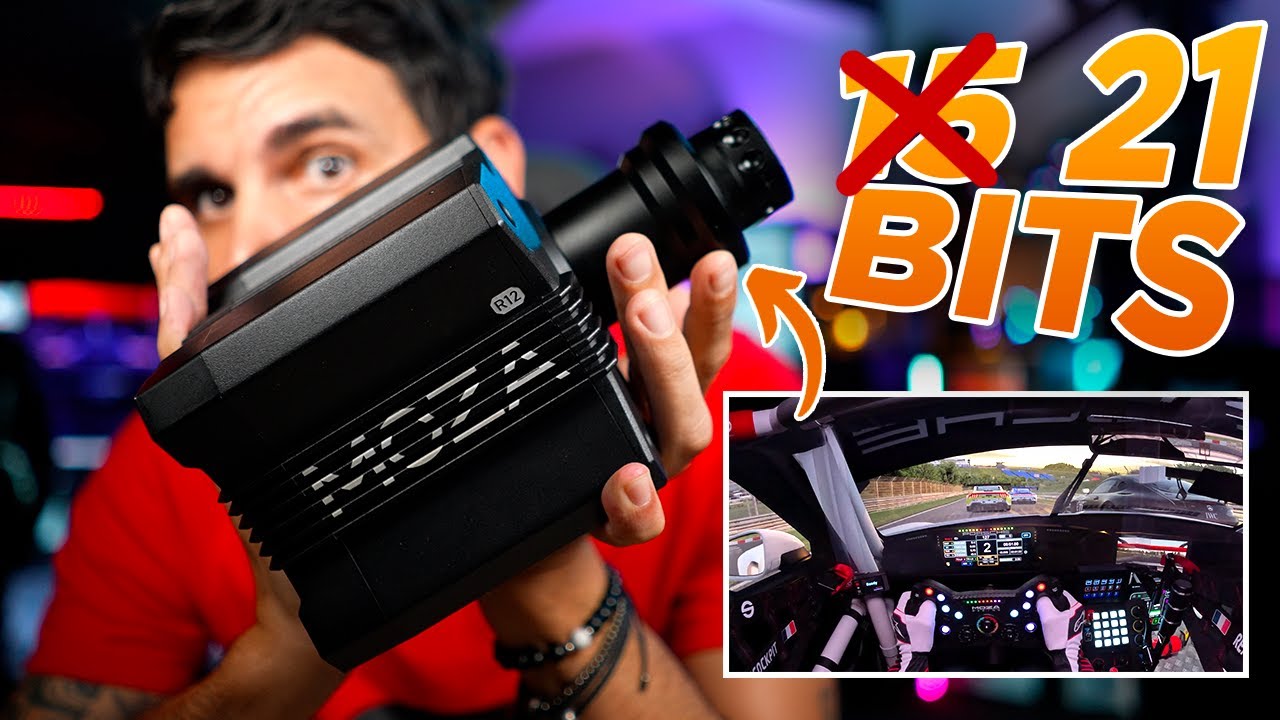
The R3 base is compact, with an aluminium body and a metal quick release from the family used by MOZA. The bundle adds the ESX wheel, SR-P Lite pedals and a desk clamp. The clamp makes fitting and removing the base possible without a cockpit. The pedal pads can help on the floor, although their effectiveness depends on the surface and installation.
Xbox compatibility comes from the ESX wheel and its electronics. Console use therefore requires retaining this wheel and connecting compatible peripherals to the base, which becomes the controller recognised by Xbox. On PC, I can use different USB pedals or other brands’ accessories connected directly to the computer. The same mechanical installation does not provide identical possibilities on both platforms.
The base and wheel weight
With the power off, I feel the motor’s notches. Algorithms and settings greatly reduce them once the base is operating. At the rear are USB, power and MOZA accessory connections; they are not intended to accept any competing peripheral directly.
The quick release is one of the package’s strengths for rigidity and ease of use. However, its mass also becomes a constraint with only 3.9 Nm. A heavier wheel makes the limited headroom more apparent. Changing wheels remains useful on PC, but that does not mean the R3 will handle a large rim like the small ESX.
ESX and SR-P Lite: the bundle’s compromises
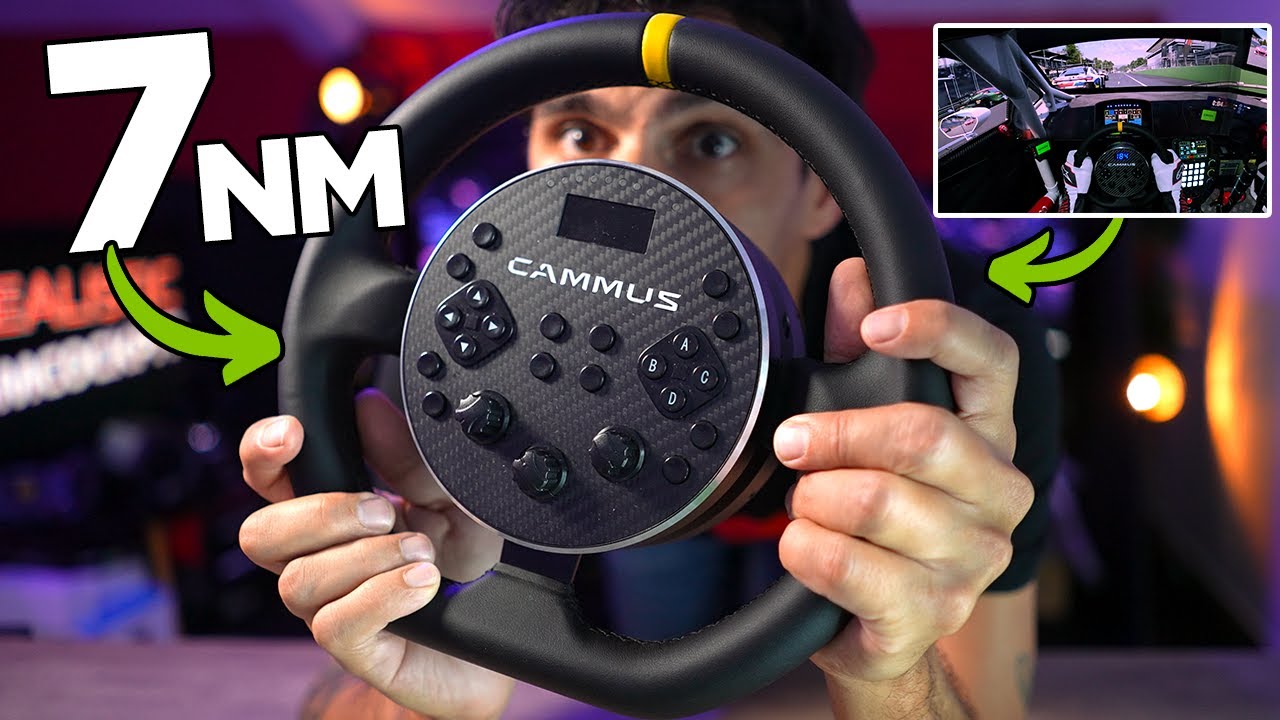
The ESX is a 28 cm wheel with Xbox controls, a directional pad and an engine-speed light strip. Its plastic construction matches its positioning. The paddles are not magnetic: I find them noisy, with less distinct engagement than more sophisticated wheels. I also present an option for changing the rim’s shape, although this does not remove the weight issue.
The SR-P Lite arrives assembled. Its metal pedals can move along the plate, and pedal-face height is adjustable. A clutch pedal can be added. The brake measures position through a magnetic sensor, rather than pressure through a load cell. I therefore need to learn its travel for consistency. The spring-and-elastomer kit discussed improves resistance without turning the sensor into a load cell.
Pit House and the mobile app
Pit House updates equipment and adjusts angle, force, damping, friction and inertia. I use the R3’s full capability and then tailor the feel. The equaliser reduces frequencies that add graininess to the steering; I also modify the force curve slightly to strengthen the beginning of its range.
Pedal calibration matters. I add a small brake dead zone so that resting a foot does not trigger braking. I can also define where 100% is reached without pressing all the way to the mechanical stop. The Pit House version shown now offers automatic profile activation when a game launches.
The mobile app provides the main settings through Bluetooth. It is particularly useful on Xbox because it allows base adjustment without a computer. This console compatibility concerns Xbox; I do not present the bundle as PlayStation-compatible.
Testing on PC and Xbox
The steering stop disappoints me: despite the available adjustments, it remains too easy to push beyond. In a hairpin or with a small rotation angle, this can encourage additional steering after the game has already reached its limit.
Force feedback remains enjoyable and usable, but my iRacing captures show periods of saturation that smooth detail and can reduce the feeling of resistance. Results depend on the game and car. In Assetto Corsa Rally, by contrast, I had considerable fun, including with a 35 cm round rim and separate shifter. That homemade wheel does not work on Xbox: the ESX remains necessary.
In Forza Motorsport, I appreciate straightforward setup, although career progression suits my habits less well. The R3 can provide a convincing first experience without a permanent cockpit. The limitation is that I am already driving close to its maximum capability. More force would require changing the base. My unit gets very hot in sessions; I did not measure its temperature and draw no conclusion about its lifespan.
What we liked
- The compact form and included desk mount.
- A complete package with meaningful adjustment options.
- Straightforward Xbox access through the ESX and mobile app.
What we liked less
- The soft steering stop and limited headroom before saturation.
- The ESX’s noisy paddles.
- The considerable heat observed in use.