My sim rig / 22 September 2025
Combining Simrig SR3 motion with the Pimax Crystal Light
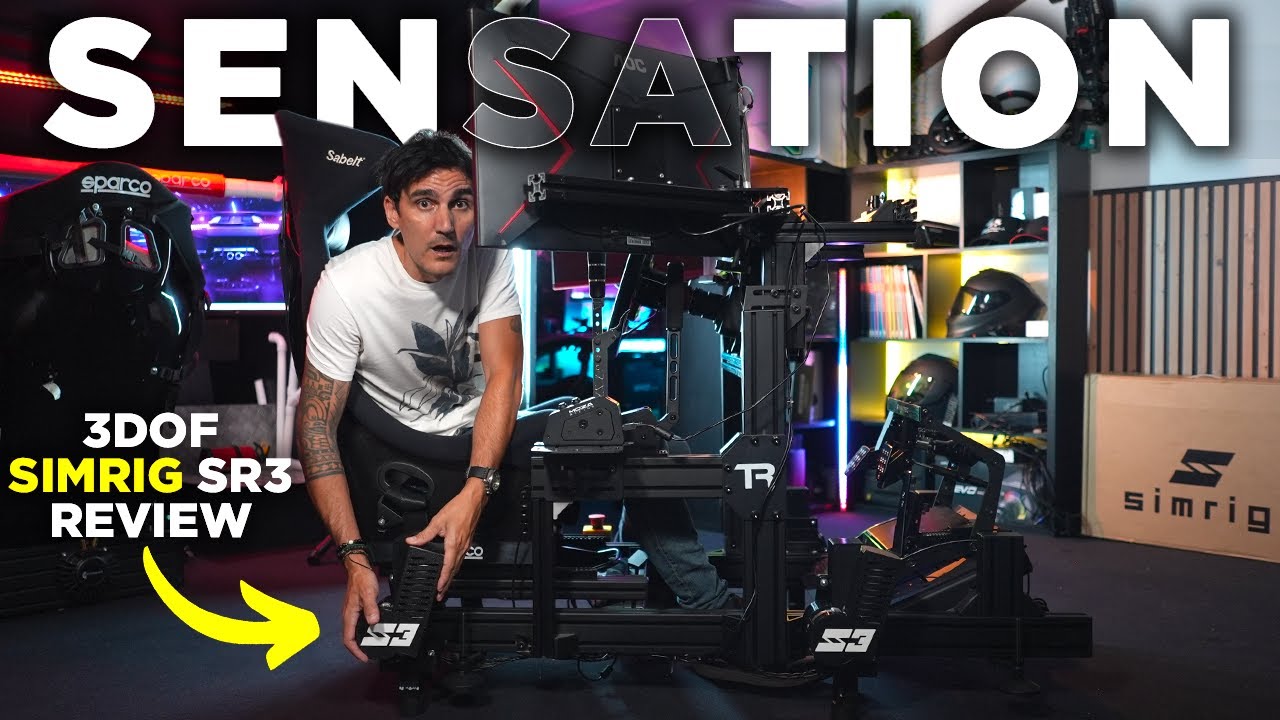
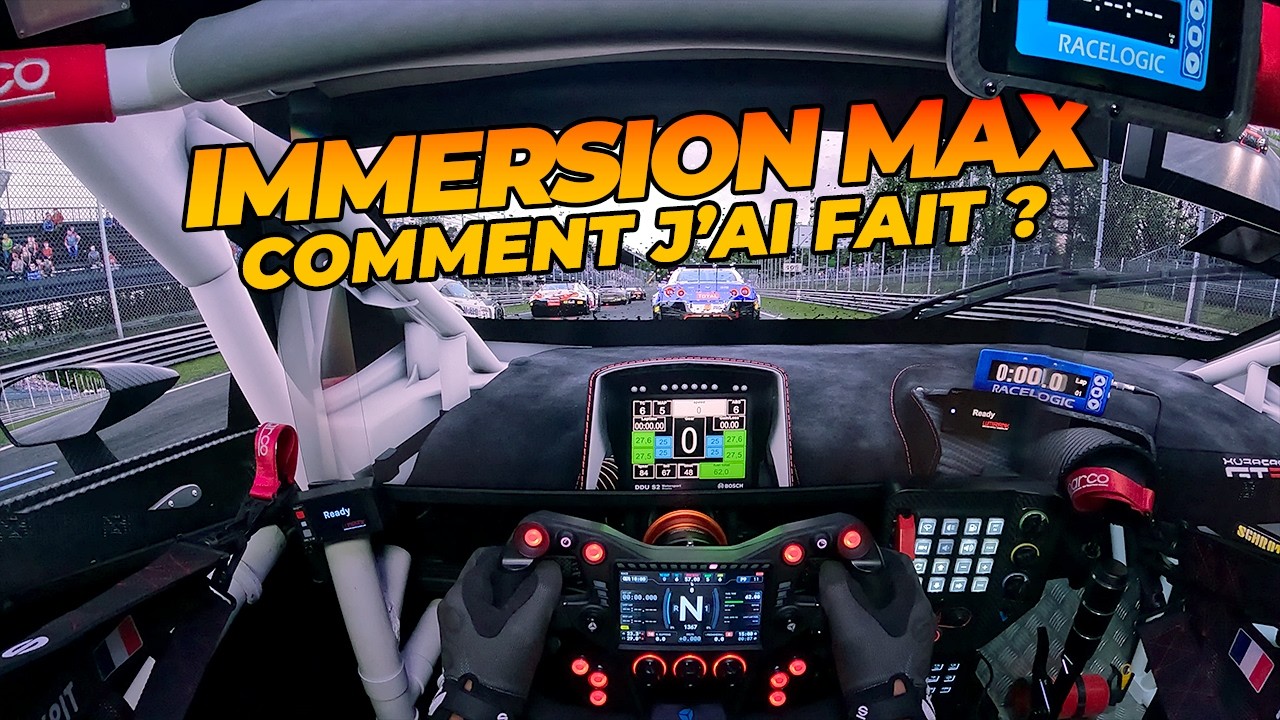
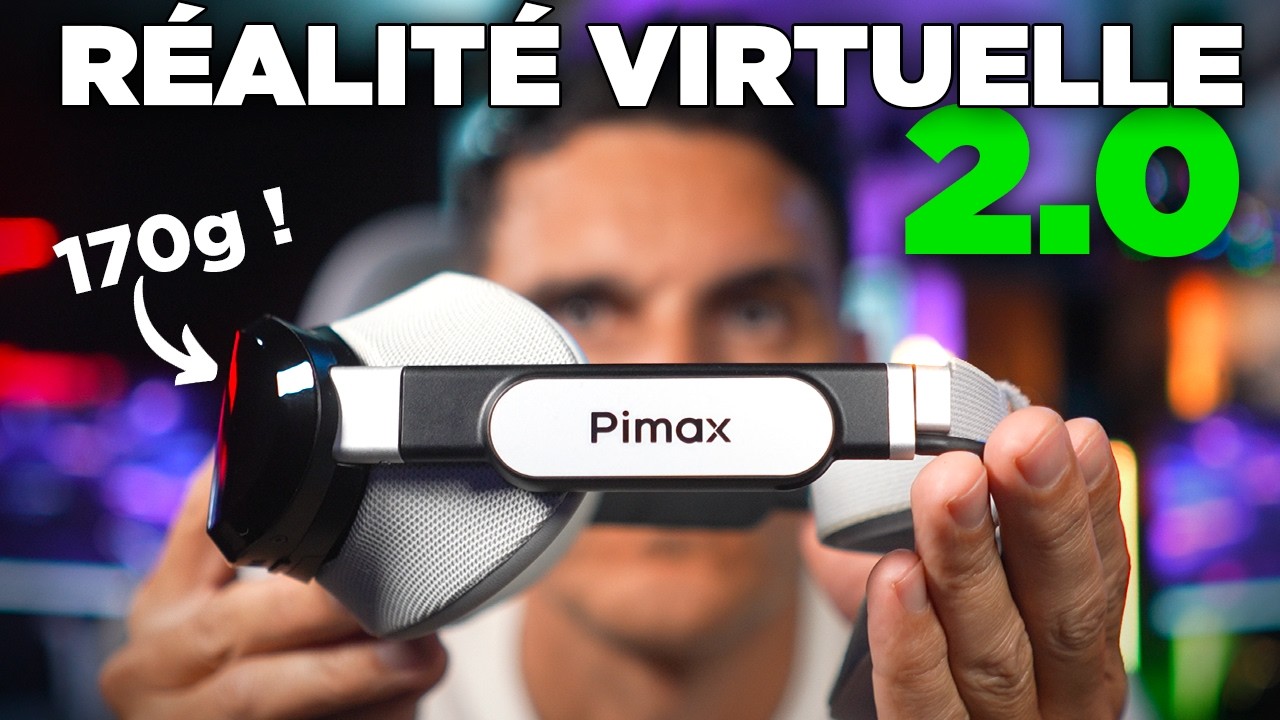
This video captures my immediate impressions a few days after installing the Simrig SR3 on my cockpit. I combine them with the Pimax Crystal Light to drive a Porsche GT3 at the Nürburgring. Stealth-Gamer lent me the actuators and Pimax supplied the headset. I mainly share how the combination changes my driving sensations, ahead of more detailed installation and settings videos.
An installation I am still learning
The motion system is fitted to a profile chassis using Easy Brackets, with the controller beneath the seat. I use a Simagic Alpha EVO Sport base and GT NEO wheel. Integrated triple screens are also installed, but this session explores the same platform with a VR headset.
The audible creaking mainly comes from the seat and its worn mountings. I distinguish that from the actuators themselves, which I find quiet. Replacing the seat is already among my planned adjustments.
I want a setup that conveys elevation changes, bumps, kerbs and gearshifts without adding unnecessary jolts. The Nürburgring’s changes in terrain suit this discovery. Profiles are still being adapted, so this is not a final configuration.
Entering the cockpit in VR
Before driving, I assign a view-recentring button so I can quickly recover the correct position in the car. The Crystal Light’s audio lets me follow the session without another headset; I simply lower it to speak during the recording.
The PC uses an RTX 3080. During this session, I mention around 60–70 frames per second, with fluidity I consider sufficient to enjoy the experience. That describes this session and my settings rather than a comparable measurement across every simulation. EA Sports WRC had proved more demanding, and I had not obtained the VR quality I wanted there.
What motion adds to driving
From the first laps, terrain and kerbs give the car a different sense of presence. I can look around the virtual cockpit while physically feeling changes of slope. This combination of vision, sound and movement is what I particularly enjoy.
The headset’s camera-based tracking remains stable in this test: I notice no small display jolts caused by my body moving. Field of view still has limits at the sides, however, encouraging me to turn my head further. I then hit the seat’s head wings with the headset, another reason to change the seat.
Revisiting force feedback too
I expected to reduce wheel force feedback because my body now receives more information. I ultimately experienced the opposite: steering felt too light, so I increased its force. An iRacing update also occurred around this time, meaning I cannot attribute the whole difference to motion alone.
I reduced forward pitching, which was too pronounced in my initial setup. Enjoyment comes from balancing the effects rather than simply increasing intensity. The filmed laps include mistakes and excursions: I am discovering the sensations while talking, not establishing a benchmark lap time.
Why I want to continue testing at home
Trying a system at somebody else’s home means discovering their base, pedals and preferences at the same time. Having the actuators on my installation gives me time to separate those elements and refine the result gradually.
This session makes me want to continue with greater fluidity and other cars on track. It also leads into future tests: screens attached to the cockpit, independent screens, then a fixed wheel with moving seat and pedals. For now, I mainly retain the enjoyment of this first combination of motion and VR, still open to improvement but already very engaging.
Join the discussion on YouTube