Reviews / 23 April 2025
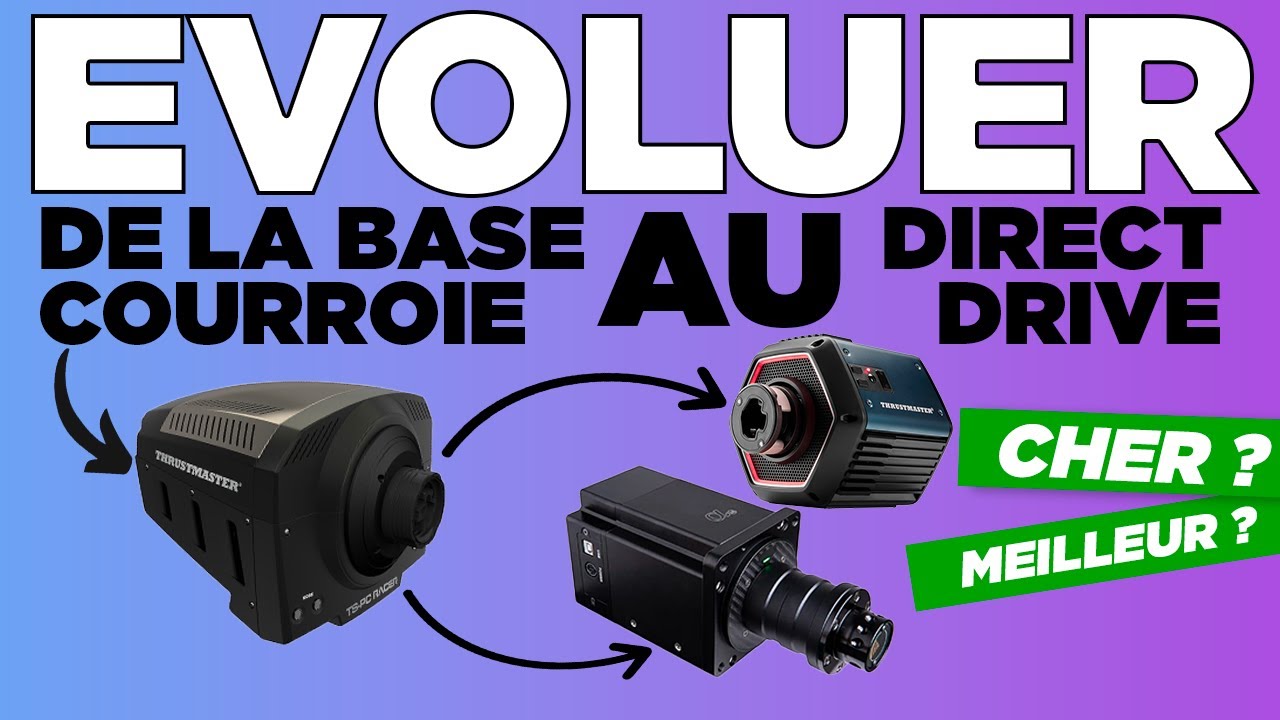
Four direct-drive bases: Fanatec, MOZA, Simagic and Thrustmaster
I have used the Fanatec CSL DD, Thrustmaster T818, MOZA R12 and Simagic Alpha Mini in succession. This comparison brings those experiences together under one method: examining features, mounting and software, then driving with the same wheel. I deliberately separate the points awarded for equipment from my driving impressions, which remain a matter of preference.
Four bases under the same conditions
I use the CSL DD at 8 Nm, the R12 at 12 Nm, the Alpha Mini in its advertised 10 Nm version and the T818 at 10 Nm constant torque. I specify the Simagic version because the earliest generations are not necessarily identical to this test unit. That matters particularly when buying used.
I retain the Simagic GT NEO, a comparable driving distance and a similar mounting position. Only the quick release changes, without an extension adding unnecessary weight. The GT NEO can operate over USB and accept the different mounts required. I start with each brand’s presets to compare an experience available immediately after installation.
Price, technology and torque headroom
At the prices discussed in this April 2025 video, the CSL DD is the least expensive entry point, particularly in a bundle. The R12 stands out for the torque headroom it provides for its price. However, the budget must also cover the wheel, pedals and cockpit: the base alone does not represent the full installation cost.
Resolution figures are difficult to interpret without complete information from manufacturers. The R12 V2 increases encoder resolution over the V1, but I do not reduce force-feedback detail to that number. Software plays a major role. On track, extra torque primarily helps preserve detail when steering, suspension and road surface all load the base at once, as they do through Raidillon.
With the power off, resistance steps are clearly noticeable on the CSL DD and R12. The Alpha Mini and T818 rotate more freely. However, this cogging observation does not fully predict behaviour in a game: MOZA’s filters greatly reduce the sensation.
Mounting, quick releases and accessories
Fanatec’s slots make fore-and-aft positioning easier. Simagic offers several mounting options, whereas the T818’s hole pattern makes its dedicated bracket worth planning for. For my tests, I use a common 15-degree bracket designed for aluminium profiles.
MOZA and Simagic share a practical, rigid D1 Spec-style attachment. It can develop cosmetic marks with use. The QR2 significantly improves Fanatec’s experience over the QR1, whose potential knocking I mention. The T818 retains older Thrustmaster wheels through its adapter.
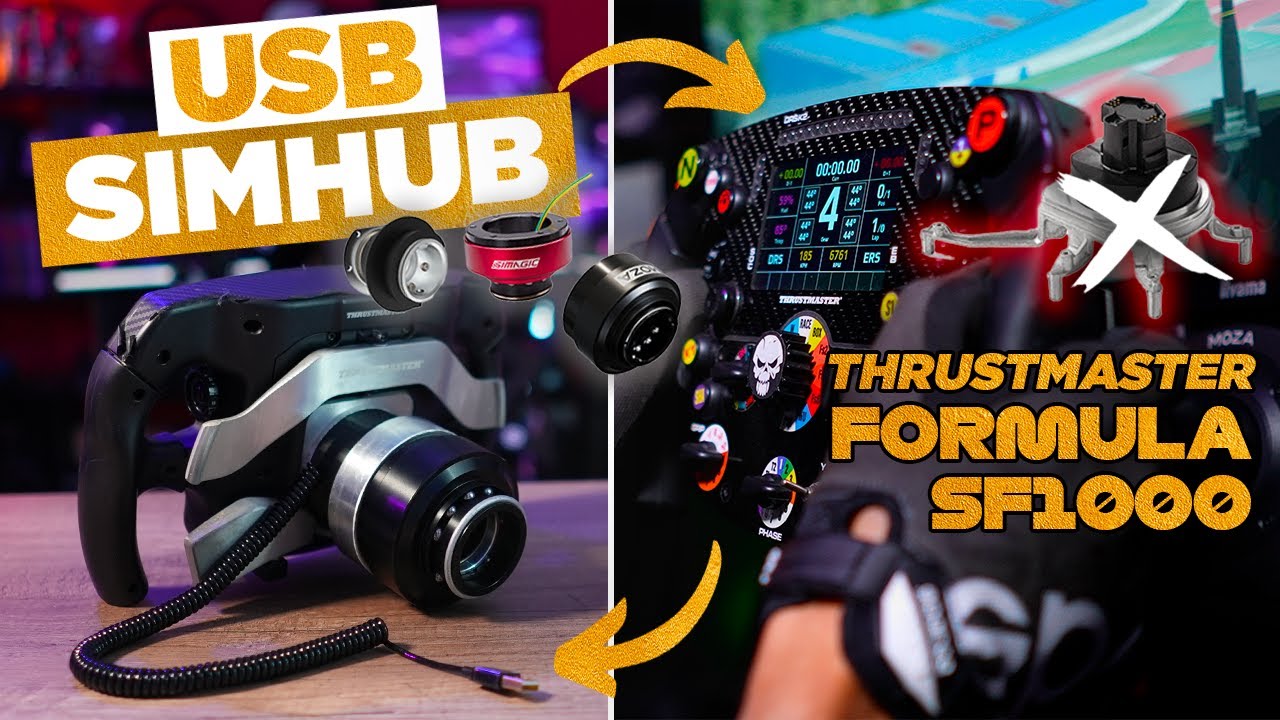
For a simple custom rim or another brand’s equipment, MOZA and Simagic are the most straightforward: mechanically, a suitable quick release is enough. Fanatec also needs a hub or emulator recognised by the base. On the T818, the updates discussed require the electronics from an official adapter to retain force feedback.
Fanatec and MOZA provide more connections for their own accessories. On PC, I can also connect USB peripherals separately and build an installation using several brands. The sockets on a base do not automatically make competing pedals or shifters compatible.
Software and steering stops
Fanatec is moving towards an application combining functions previously divided between its drivers and FanaLab; that version is still in beta at the time of filming. Settings available directly on the wheels remain useful. MOZA Pit House offers profiles, numerous filters and an equaliser for adjusting selected road effects. SimPro Manager provides many parameters and can switch profiles automatically when a game starts.
The T818 remains very simple to configure, but that simplicity limits possible corrections. Profile management notably relies on a mobile app, while lighting telemetry remains poorly integrated into the software. I also criticise its overly soft steering stop, as I do the CSL DD’s. With MOZA and Simagic, the adjustable soft lock gives a more convincing indication that maximum steering angle has been reached.
Driving impressions and result
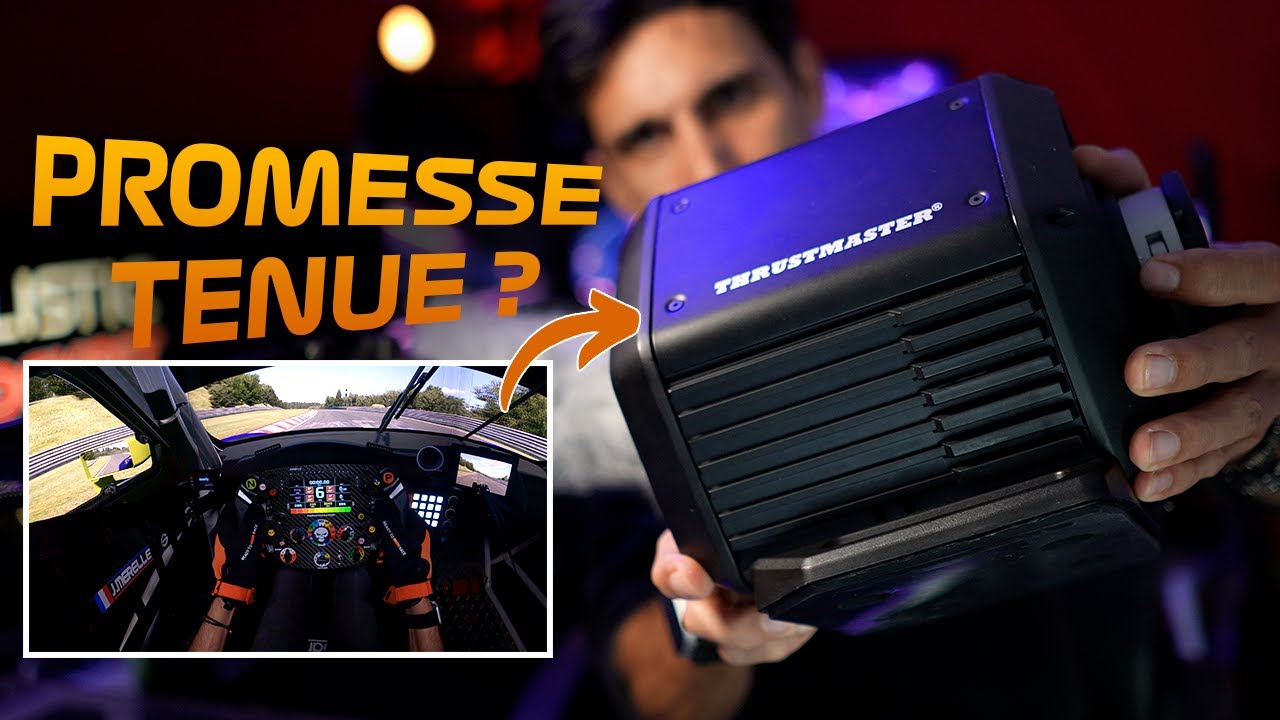
The CSL DD strikes a good balance between force and detail in the profiles tested, despite having less headroom. FFB 3.0 makes the R12 feel less mechanical; its rally presets are my favourites, although excessive force can produce oscillations and the base gets hot. The Alpha Mini communicates suspension movement and cornering resistance particularly well. The T818 smooths some smaller effects more noticeably, while providing enjoyable driving with very little preparation.
The Alpha Mini finishes slightly ahead in my scoring. That result excludes my subjective force-feedback preference: each base serves different expectations, and settings and practice also matter.
What we liked
- The adjustment freedom offered by MOZA and Simagic.
- QR2 and D1 Spec-style attachments for changing wheels.
- The T818’s immediately enjoyable driving and the CSL DD’s entry price.
What we liked less
- The overly soft stops on the CSL DD and T818.
- The T818’s limited software and adjustment options.
- Heat from the R12 and possible oscillations with excessive force.